A good custom canvas tote bag starts with the fabric weight: 5–6 oz cotton suits low-cost giveaways, 8–10 oz suits everyday reusable tote bags, and 12–16 oz suits premium retail totes. Screen printing is the most economical decoration at volume; embroidery and woven labels look more premium. Price is driven mainly by fabric weight, size, gusset, handles, print colours and quantity.
Tote bags are the most familiar bag in the world and one of the easiest to get slightly wrong. A canvas tote that feels substantial in the sample room can arrive thin and floppy if the fabric weight was never written down, and a print that looked crisp on a mock-up can crack after a few washes. This guide covers what buyers need to specify for custom tote bags and personalised tote bags: canvas weights, sizes and construction, printing methods, and the factors that set wholesale tote bag prices.
A note on scope: plain canvas tote bags are not a catalogue line for Eggroll Bags. We quote tote programmes to brief and supply related constructions from our catalogue, which are linked below. The guidance applies whoever makes your bags.
What canvas weight is best for tote bags?
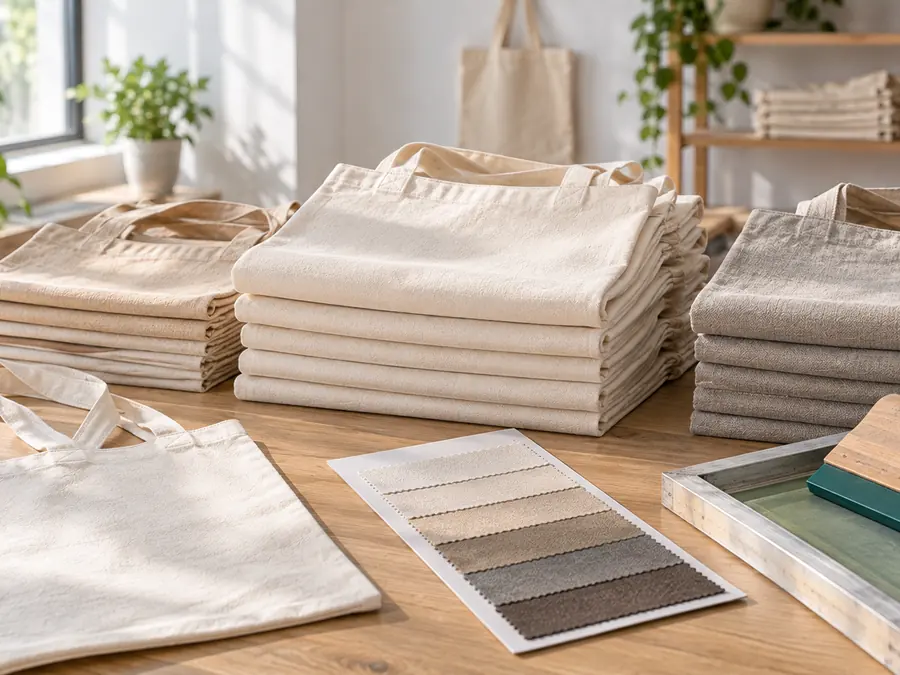
For most reusable tote bags, 8–10 oz cotton canvas is the best balance of strength, feel and cost. Lighter 5–6 oz cotton suits event giveaways; 12–16 oz canvas suits premium retail totes, book totes and bags meant to carry real weight.
Canvas weight is quoted in ounces per square yard. One ounce per square yard is about 33.9 grams per square metre, so a 10 oz canvas is roughly 340 g/m² and a 12 oz canvas roughly 400 g/m². Specify both units in your brief, because suppliers in different markets quote differently, and an unspecified “canvas” leaves room for a lighter fabric to slip in.
| Canvas weight | Approx. g/m² | Feel | Typical use | Print notes |
|---|---|---|---|---|
| 5–6 oz cotton | 170–200 | Light, soft, see-through against light | Conference and event giveaways, cheap tote bags | Fine for one-colour screen print |
| 8 oz canvas | about 270 | Medium, holds some shape | Everyday shoppers, retail gift-with-purchase | Good for screen print and transfer |
| 10 oz canvas | about 340 | Sturdy, structured | Durable tote bags, grocery and book totes | Takes multi-colour prints and embroidery |
| 12 oz canvas | about 400 | Heavy, stands upright | Premium retail, large canvas tote bags | Ideal for embroidery and patches |
| 16 oz canvas | about 540 | Very heavy, stiff | Luxury and workwear-style totes | Embroidery, leather or PU patches |
Heavier canvas also means heavier cartons. On a large order the freight difference between 8 oz and 12 oz can be significant, so weigh the extra feel against landed cost. Our bag fabric guide compares cotton canvas with 600D polyester, RPET and non-woven if you are still choosing the base material.
Canvas, cotton, polyester or non-woven: which tote bag material?
Cotton canvas is the best choice when look and feel matter; polyester is better for water resistance and full-colour printing; non-woven polypropylene is for very low-cost, high-volume giveaways only.
- Cotton canvas and cotton tote bags: natural, prints and embroiders well, ages attractively. Not waterproof unless coated or waxed.
- Organic or recycled cotton: the same construction with a supportable material claim when certified.
- 600D polyester or RPET: lighter, wipe-clean, suits a waterproof tote with a PU coating and takes sublimation for photographic prints.
- Non-woven PP: cheapest per piece, but weaker at the handle join and kept for less time by users.
For an example of non-woven construction in our range, see the non-woven multi-purpose tote bag (35.5×14.5×23 cm).
Tote bag sizes, gussets and handles
The most useful decisions after fabric are the size, whether to add a gusset, and the handle length. These change how the bag carries far more than any decoration.
- Flat tote: no gusset; cheapest and easiest to print. Good for documents, books and light shopping.
- Gusseted tote: a bottom and side gusset of around 8–15 cm lets the bag hold boxes and groceries and stand on a counter.
- Handle length: short handles for carrying by hand; longer handles, around 60–70 cm in total loop, to go over the shoulder with a coat on.
- Handle construction: self-fabric or webbing handles, sewn inside the hem with a box-and-cross stitch, are the strongest common method.
- Extras: an inside pocket, zip top, snap closure or a tote bag with pockets on the outside add use value and cost.
A foldable tote or collapsible tote bag that packs into its own pouch usually uses lightweight polyester rather than canvas, because canvas does not fold small.
How to print custom tote bags
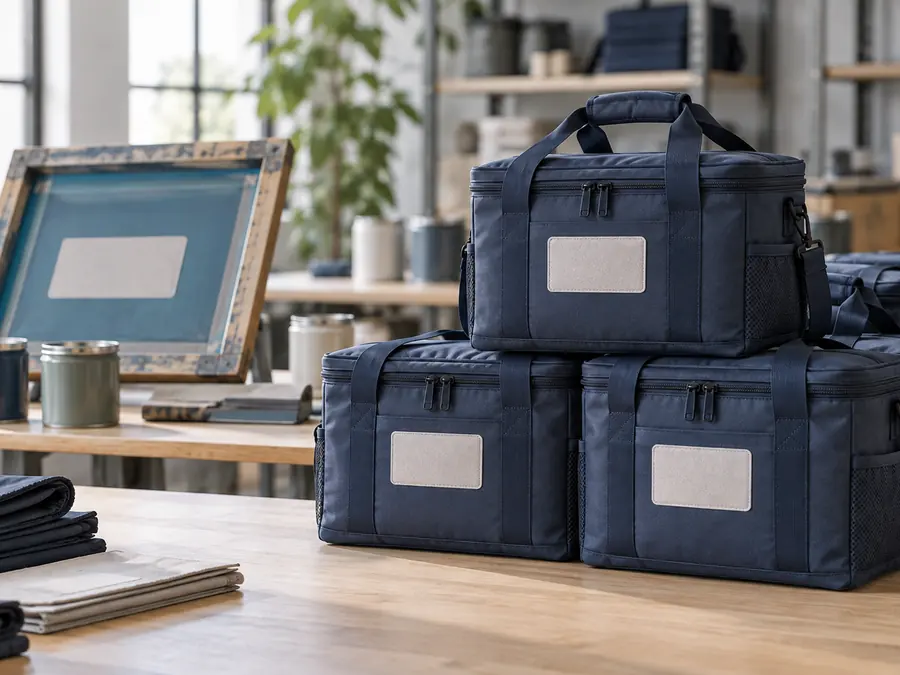
Screen printing is the most cost-effective way to print custom tote bags in volume when the design has a few flat colours. Other methods trade price for detail or a premium finish.
| Method | Best for | Cost behaviour | Watch-outs |
|---|---|---|---|
| Screen print | 1–4 flat colours, logos, type | A screen per colour; low per-piece cost at volume | Fine gradients are hard; each colour adds cost |
| Heat transfer | Detailed or multi-colour artwork | Higher per piece; no per-colour setup penalty | Check wash and rub durability |
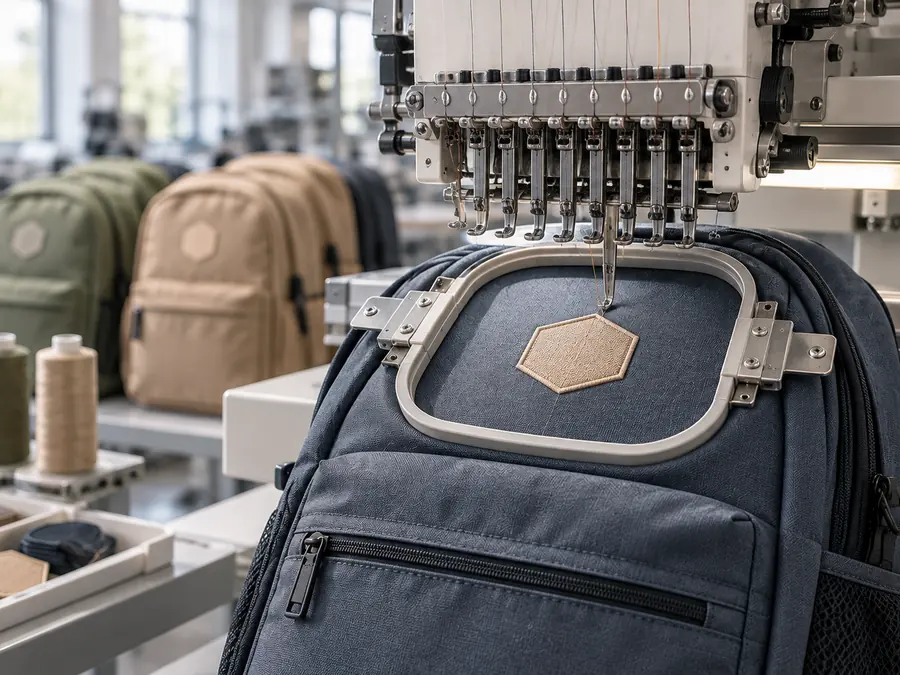
| Embroidery | Monogrammed tote bags, small premium logos | Priced by stitch count | Not suited to very fine detail or large areas |
| Woven label or patch | Discreet branding, retail look | Small fixed cost per piece | Needs sewing access during production |
| Sublimation | All-over photographic prints | Efficient on polyester | Polyester and light grounds only; not for cotton |
Specify print colours in Pantone C, and fabric colours in Pantone TCX or TPG with a lab dip for custom-dyed canvas. On natural, unbleached canvas, light inks may look slightly different from a white-paper proof, so approve on the actual fabric.
What drives tote bag wholesale prices?
Wholesale tote bag pricing is mostly set by material and labour, not by the brand on the front. The main drivers, roughly in order of impact:
- Fabric weight and type. Moving from 6 oz to 12 oz canvas roughly doubles the fabric used per bag.
- Size and gusset. More fabric and more sewing time.
- Handles and extras. Webbing, pockets, zips and linings each add parts and minutes.
- Decoration. Number of print colours and positions, or stitch count for embroidery.
- Colour. Natural canvas avoids dyeing; a custom-dyed colour is a new material order.
- Quantity. Setup and screens spread across more pieces at higher volumes.
- Packing and freight. Individual polybags, folding method and carton weight change landed cost.
Our article on MOQ, lead time and price breaks explains where the useful quantity breaks usually fall.
Ordering custom tote bags in bulk: step-by-step checklist
- Write the specification: fabric and weight, size, gusset, handle length and construction.
- Prepare vector artwork with Pantone references and print positions.
- Choose decoration and confirm durability expectations, for example wash or rub tests.
- List test reports for your market, such as REACH, Prop 65 for California, and children’s product tests if the tote is aimed at kids.
- Approve a counter sample (7–12 days; fee credited against bulk).
- Confirm the order quantity: a new pattern or custom-dyed colour starts at 1,000 pcs per colour.
- Plan the timeline: 25–35 days bulk production after approval, about a week more July to October, plus 28–40 days sea freight to North Europe or the US East Coast.
Related canvas and tote constructions in our catalogue
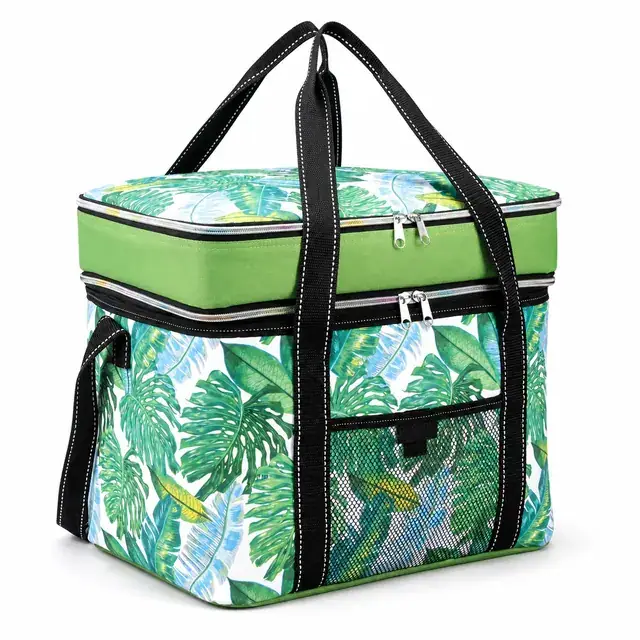
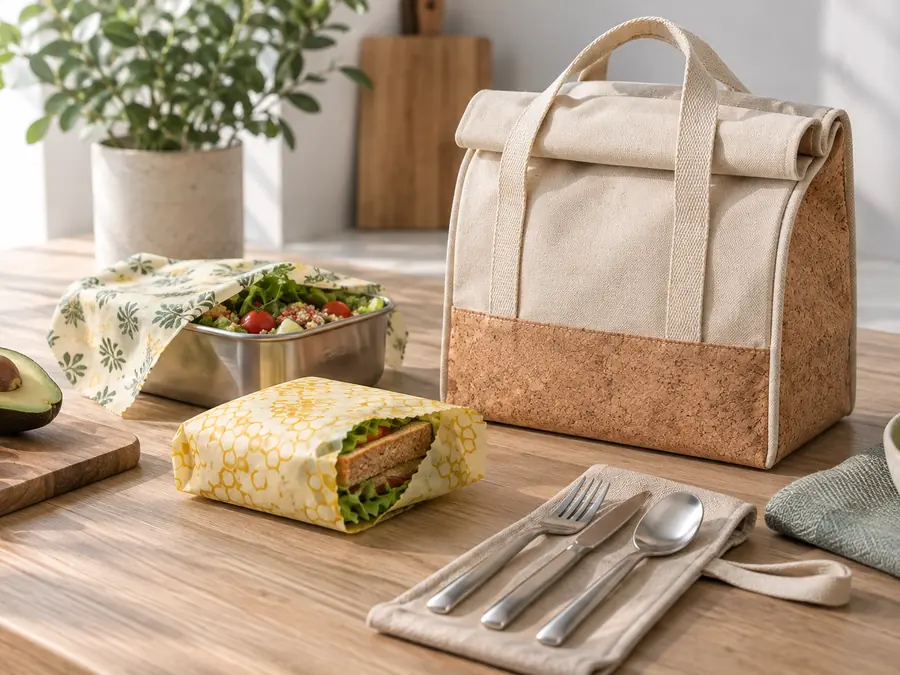
If you want to see how we handle canvas and tote construction before briefing a custom tote, these catalogue models are useful references: the 8 oz canvas cosmetic pouch shows our canvas and print finish on a small format; the spacious canvas tote with multiple pockets (32×12×35 cm) shows a structured canvas tote with organisation; and the custom logo tote lunch cooler bag adds insulation to a tote shape. To quote a canvas tote programme, send us your specification and artwork; we reply in writing within one working day.
Frequently asked
What is the best fabric weight for a canvas tote bag?
For an everyday reusable tote, 8–10 oz cotton canvas (about 270–340 g/m²) is the usual sweet spot: strong enough for groceries and books, soft enough to fold, and economical to print. Choose 12 oz or heavier for premium retail totes and lighter 5–6 oz cotton only for low-cost event giveaways.
What is the cheapest way to print custom tote bags?
For designs with one to three flat colours, screen printing is usually the cheapest method at volume, because the setup is spread across the order and the per-piece cost is low. Detailed multi-colour artwork often suits heat transfer instead. Keeping to one print position and fewer colours is the simplest way to reduce cost.
Are canvas tote bags waterproof?
Untreated cotton canvas is not waterproof; it absorbs water and can stain. A wax finish or a PU back-coating improves water resistance but changes the feel. If a waterproof tote is the priority, coated polyester is usually the better choice, with canvas kept for bags where a natural look matters most.
What is the minimum order for custom canvas tote bags?
Canvas totes are made to brief rather than from our catalogue, so they count as a new pattern, with a minimum of 1,000 pcs per colour. Catalogue models with tote shapes start at 500 pcs per colour. Natural, undyed canvas avoids a custom dye lot, which helps keep a smaller programme efficient.
How are monogrammed or personalised tote bags made?
Monogrammed tote bags are usually embroidered, which gives a raised, durable finish suited to initials and small logos. Personalised tote bags for events often use printed name panels or heat transfer. In bulk, one design per batch is most efficient; individual names on every bag add handling time and cost.